


facebook
Skip to Content

Social determinants of health (SDOH) are the conditions in which people are born, grow, live, work and age, and they strongly influence a person’s health outcomes. Research shows that SDOH can outweigh genetic factors or healthcare access in terms of influencing health outcomes, and that addressing them can help reduce health disparities.1

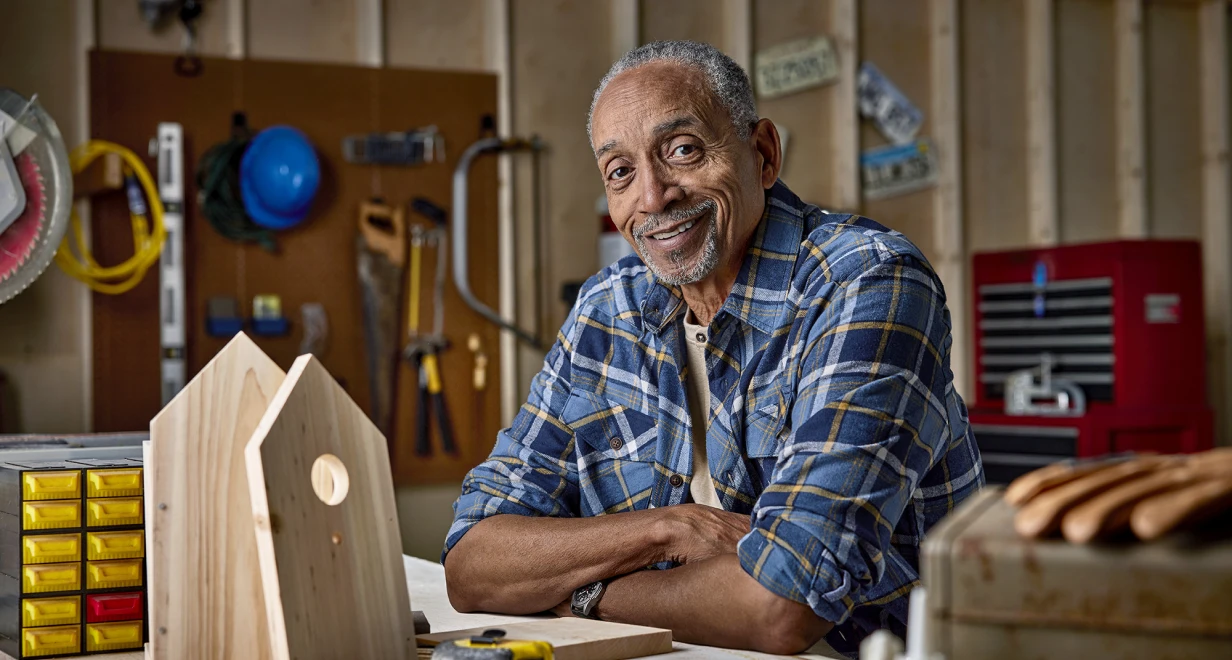
Person at a workbench with woodworking tools and a partially built birdhouse

Humana strives to address SDOH for our members—here’s a look at how.

SDOH: Social isolation

Social isolation is linked to negative health outcomes in seniors, including greater risk of an adverse consequence during a medical event and an increased risk of dementia.2 Socially isolated older adults are also as much as five times more likely to die prematurely than seniors with strong social ties.3

How does Humana help?

Humana has a variety of programs and services to help socially isolated seniors:

  • The Friendship Line is available to Humana members at no additional cost. Trained professionals provide the following services to members over the phone:

    Emotional support

    Well-being checks

    Information and resources for isolated older adults and those living with disabilities

  • CenterWell Senior Primary Care® operates local primary care clinics. Members have access to local activity centers that offer exercise classes and opportunities for socialization.
  • SilverSneakers® fitness program offers workouts for older adults at community centers, parks and other locations. The program provides seniors with an opportunity to be active in a social setting.

SDOH: Access to quality healthcare

High-quality healthcare services are key to healthy aging, putting seniors who live in rural or remote areas at a disadvantage. Studies have identified structural barriers to accessing high-quality care in rural areas, such as a shortage of healthcare specialists and primary care providers, which can result in significant health disparities.

Icon of green cross symbol

More than one-third of Americans ages 50 to 80 feel lonely and nearly as many feel isolated.4

How does Humana help?

Humana’s home healthcare solutions and virtual care options allow seniors living in rural or remote communities access to high-quality healthcare services, such as:

  • Multidisciplinary home care teams, including nurses and therapists, who visit members at their homes and coordinate with healthcare providers to create personalized care plans.
  • An in-home health and well-being assessment (IHWA) that provides members with a visit at home by a physician or clinician and includes screenings, education and medication management. An IHWA is linked to improved health maintenance:

    1.4%—2.4% increase in primary care physician follow-up visits6

    4.8% higher likelihood of getting a breast cancer screening within one year7

    5.3% higher likelihood of getting a colorectal cancer screening within one year8

  • Virtual visits that allow members to receive quality care for minor illnesses or behavioral issues in the comfort of their own home, via a video or phone appointment.
Icon of green cross symbol

According to a survey, 64% of seniors skipped medical care due to lack of transportation.10

SDOH: Transportation barriers

By the time they’re in their mid-70s, many seniors reduce their driving or stop altogether.9 Seniors who face transportation barriers are more likely to skip medical appointments, leading to a higher likelihood of an adverse health event.

Icon of green cross symbol

28% of rural adults said they felt there was a problem with the quality of healthcare they had received in the past few years.5

How does Humana help?

Humana has several programs to assist seniors facing transportation barriers:

  • Seniors have access to 12 one-way trips (by car, van or wheelchair-accessible vehicle) following hospital discharge, to a plan-approved location.
  • CenterWell Primary Care Anywhere allows members to receive senior primary care services, such as annual wellness visits, within the comfort of their own homes.

Sources:
  1. Social Determinants of Health,”
  2. Alison R Huang et al., “Social Isolation and 9-Year Dementia Risk in Community-Dwelling Medicare Beneficiaries in the United States,”
  3. Loneliness & Social Isolation,”
  4. Preeti Malani et al., “Loneliness and Isolation: Back to Pre-Pandemic Levels, but Still High, for Older Adults,”
  5. Life in Rural America – Part II,”
  6. IHWA Clinical Value Study, Humana Trend Analytics and Forecasting. Member data from 2016 evaluated.
  7. IHWA Long Term Clinical Value Study, Humana Trend Analytics and Forecasting. Member data from 2015-2017 evaluated.
  8. Most Americans Value Aging Independence, New Study Shows,”
  9. Matthew Jones and Jeff Hoyt, “Senior Driving Statistics in 2025,” seniorliving.org, May 14, 2025, accessed Nov. 21, 2025.
  10. Aging in Place, Lack of Transportation and Access, and Economic Insecurity Are Top Three Social Barriers to U.S. Senior Health,”
To learn more, visit Humana Group Medicare
Download PDF